For specialist education providers, the physical environment plays an important role in creating safe, stable spaces for pupils and staff. Increasingly, that is bringing one everyday element of school infrastructure into sharper focus: the door.
Warrior Doors Managing Director Brett Barratt believes many door systems installed across Special Educational Needs (SEN) settings were originally specified for conventional educational environments, while specialist schools can place very different demands on doors, glazing and hardware.
Repeated impact, intensive daily use and complex behavioural needs mean doors can become an important part of a school’s wider safeguarding infrastructure.
“An SEN school is a highly specialist environment and the building needs to reflect that,” said Barratt. “The door may look like a relatively straightforward part of the building, but it is being asked to perform an important role every day. Our approach is to understand the environment first and engineer the product around the conditions it will actually experience.”
The challenge is particularly evident where conventional doors are subjected to sustained impact.
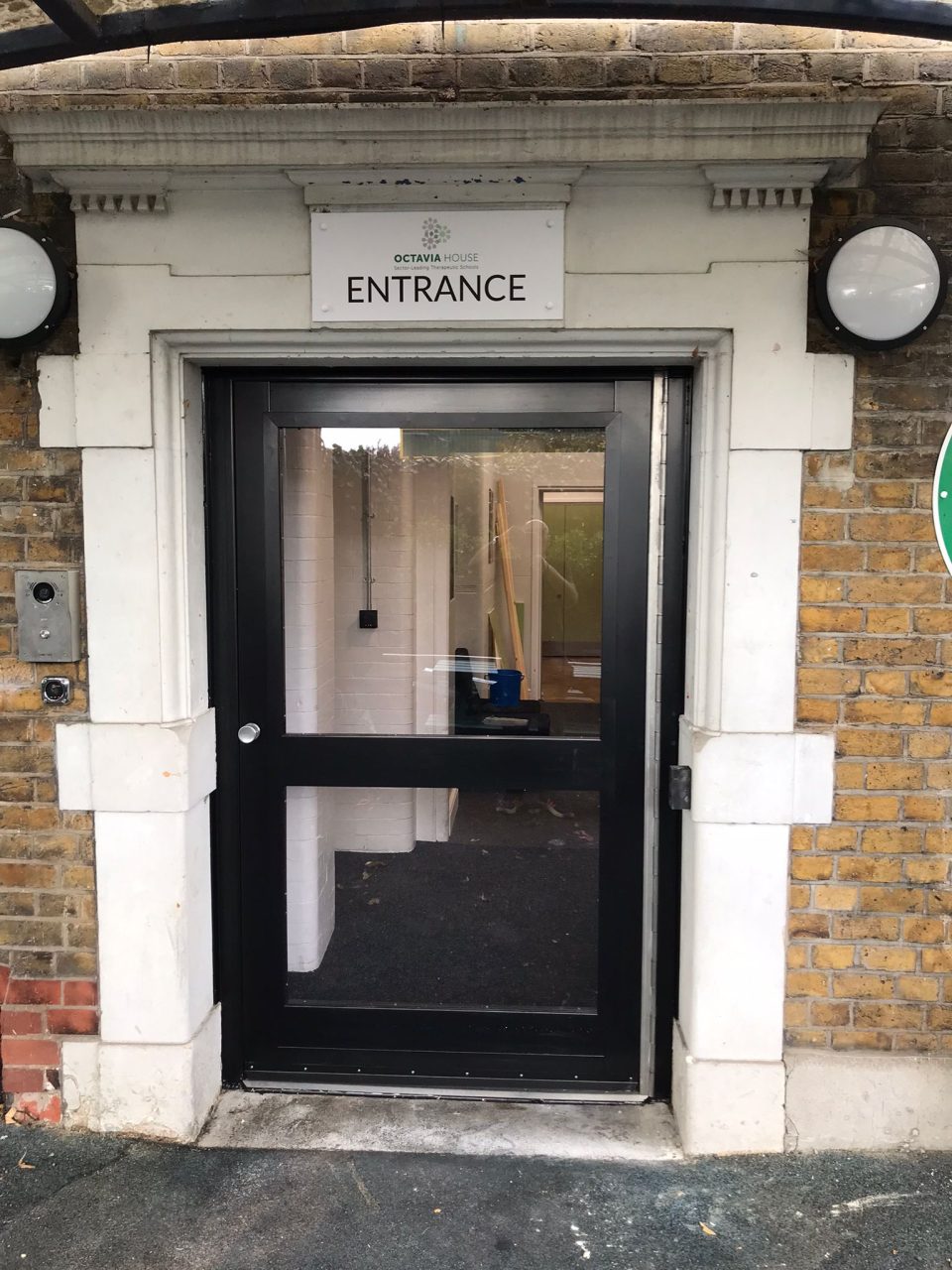
A recent Warrior Doors project with a specialist education provider illustrates the scale of the issue. The organisation supports children aged between five and 16 with complex needs, including pupils who have experienced adverse childhood experiences, trauma and toxic stress.
Its experience highlighted recurring issues familiar within demanding educational environments: doors failing under repeated force, hardware breaking around hinge points, glazing requiring replacement and maintenance teams being called out repeatedly.
According to the case study, around 90 panes of glass had been replaced in non-Warrior doors since November 2025. At another location, two recently installed doors costing approximately £1,500 each were reportedly kicked from their pivots within weeks.
For Barratt, experiences such as these demonstrate why SEN door specification needs to begin with an understanding of real-world use.
“The specification has to match the environment,” he said. “If a door is likely to experience repeated impact, we can engineer around that requirement from the outset. It becomes a question of materials, hinges, glazing, frames and how those elements work together as one complete system.”
Warrior Doors’ response centres on approaching the door as an engineered assembly rather than simply replacing an existing product like-for-like.
In the recent SEN project, that included full-length hinge systems designed to remove single-point hinge failure, stainless steel frames engineered to absorb repeated impact and security glazing that maintains visibility and natural surveillance. The company also placed emphasis on tested performance alongside the required specification.
Stainless steel forms an important part of that engineering philosophy.
Its strength and long-term durability make it particularly suited to environments experiencing intensive use, while the complete door system can be configured around the operational demands of the individual school.
“We manufacture in stainless steel because we are thinking about what happens over the lifetime of the door,” Barratt said. “In an SEN environment, durability has a direct operational benefit. A door that continues to perform means greater consistency for staff, fewer maintenance interventions and a physical environment that supports the work taking place inside the school.”
A damaged door can create considerably more than a facilities-management job. In a specialist educational environment, repeated repairs can affect routines, create disruption and place additional demands on staff whose focus is supporting pupils.
The results recorded in Warrior Doors’ recent case study provide evidence of what can happen when the specification is designed around those conditions.
Following installation, the education provider reported a significant reduction in damage and maintenance issues, increased staff confidence in the physical environment and greater day-to-day operational stability. The organisation has subsequently made Warrior Doors its preferred supplier and is progressing the replacement of its remaining doors.
Barratt believes this represents a broader opportunity for the SEN sector to consider doors as part of safeguarding strategy from the beginning of a project.
“Schools invest enormously in specialist teaching, therapy, safeguarding and highly skilled people,” he said. “The building around them should support that same objective.
“When we design doors for these environments, we are considering the people who use them, the level of impact they may experience and the need for the product to keep performing day after day. Get that specification right and the door becomes part of creating a safer, more stable environment.”
For estates teams, architects and specialist education providers, the lesson is increasingly clear: a specialist educational environment deserves infrastructure engineered specifically for the demands placed upon it.