For SEN schools where pupils present with complex social, emotional and mental health (SEMH) needs shaped by adverse childhood experiences (ACEs), the built environment plays a critical role in maintaining safety, stability and therapeutic consistency. But one for one group of schools, as the school expanded its provision, a persistent weakness emerged: its doors were not fit for purpose.
Repeated failures of conventional aluminium and glazed door systems had become both a financial burden and a safeguarding concern. Doors marketed as durable were failing within weeks—hinges breaking, pivots giving way, and glazed panels requiring constant replacement.
The scale of the issue is captured in testimony from Paul Farrant, Facilities Manager at Octavia Schools:
“Our experience with Warrior Doors has been superb from the outset. We initially started at Kennington, then rolled out installations across South Wood, Ferris and Great Baddow, and we’re currently completing a replacement project in Maidstone. Before this, we were dealing with constant failures—particularly with internal doors where glass panels were being replaced almost daily. Since November alone, we’ve had around 90 panes replaced in non-Warrior doors, which is simply not sustainable in a specialist environment like ours.”
“The turning point came after a failed installation at Nine Elms, where newly fitted doors were kicked clean off their pivots within weeks. We were spending £1,500 per door, only to see them fail almost immediately—£3,000 lost in a matter of days, with no quick or effective repair solution. It became clear these products just weren’t fit for purpose.”
This experience highlights a wider issue across the construction and security sectors. While many door systems comply with recognised standards such as LPS 1175, these frameworks are primarily designed to resist forced entry from external threats—not the repeated, high-force misuse seen in specialist education environments. An SEN school in Kent was recently forced to close because staff no longer felt safe following repeated door failures. The reality is, most doors are never tested for misuse, only for normal operation or security standards
“Across the industry, there is a misconception that ‘security-rated’ automatically means ‘fit for purpose’ in every setting,” explains Brett Barratt, Managing Director of Warrior Doors. “Standards are important, but they are focused on attack testing—tools, time and method of entry. They don’t account for sustained misuse or internal impact, which is often where conventional systems fail.”
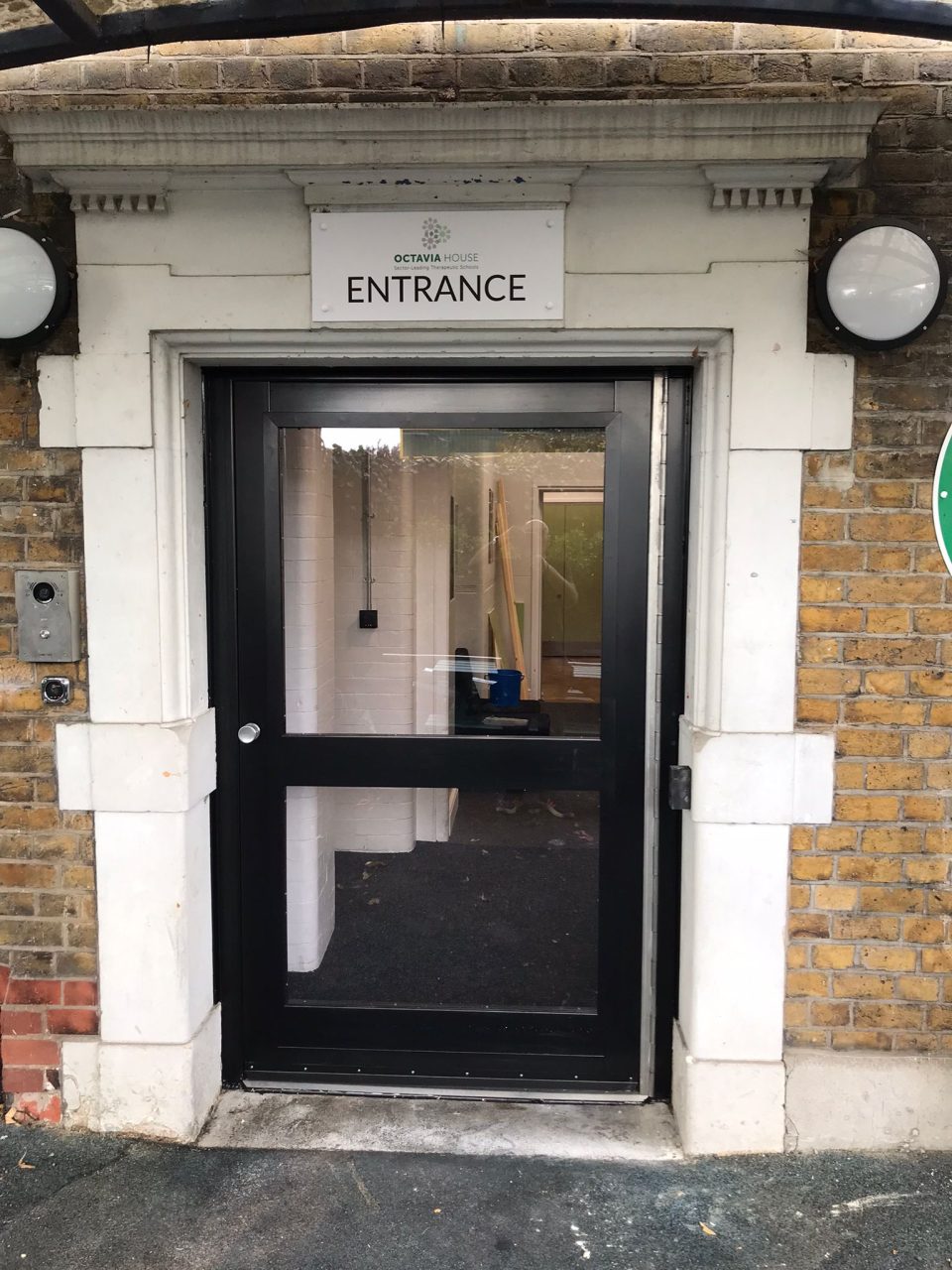
In response, Octavia School undertook a phased upgrade programme, introducing Warrior Doors systems engineered specifically for high-abuse environments. Drawing on expertise from custodial, healthcare and high-security commercial sectors, the systems are designed to eliminate common failure points—particularly around hinges, pivots and glazed elements.
Since installation, the difference has been immediate and measurable.
“Brett and the team took the time to understand our environment and explain how their systems are engineered for exactly this kind of misuse,” Farrant continues. “Since introducing Warrior Doors, the difference has been clear. Once installed, they simply don’t fail—and crucially, we’re no longer calling engineers back out to fix ongoing issues.”
The operational impact extends beyond maintenance savings. In environments where consistency and calm are essential, removing the disruption caused by repeated repairs is a significant benefit.
“Warrior Doors are now our preferred supplier,” Farrant adds. “We’re actively working through a programme to replace all remaining doors because we know we’re investing in something that will last. It’s not just about cost savings—it’s about removing disruption. Our teams can now focus on delivering care and education, rather than constantly managing repairs. I would highly recommend them.”
For Barratt, the case underscores a broader shift in how infrastructure should be specified—particularly in high-risk or high-dependency environments.
“There is still too much emphasis on upfront compliance rather than real-world performance,” he says. “Accreditations like Secured by Design and LPS 1175 set an important baseline, but they are not the full picture. The question specifiers need to ask is simple: will this product still be working under real conditions, day in, day out?”
At Octavia School, the answer is now clear. By prioritising engineered resilience over standard compliance alone, the school has created a safer, more reliable environment—one where the physical infrastructure actively supports its therapeutic mission, rather than undermining it.
“In environments like this, failure isn’t unacceptable,” Barratt concludes. “If the doors don’t perform, everything else is compromised. Our role is to make sure they do.”